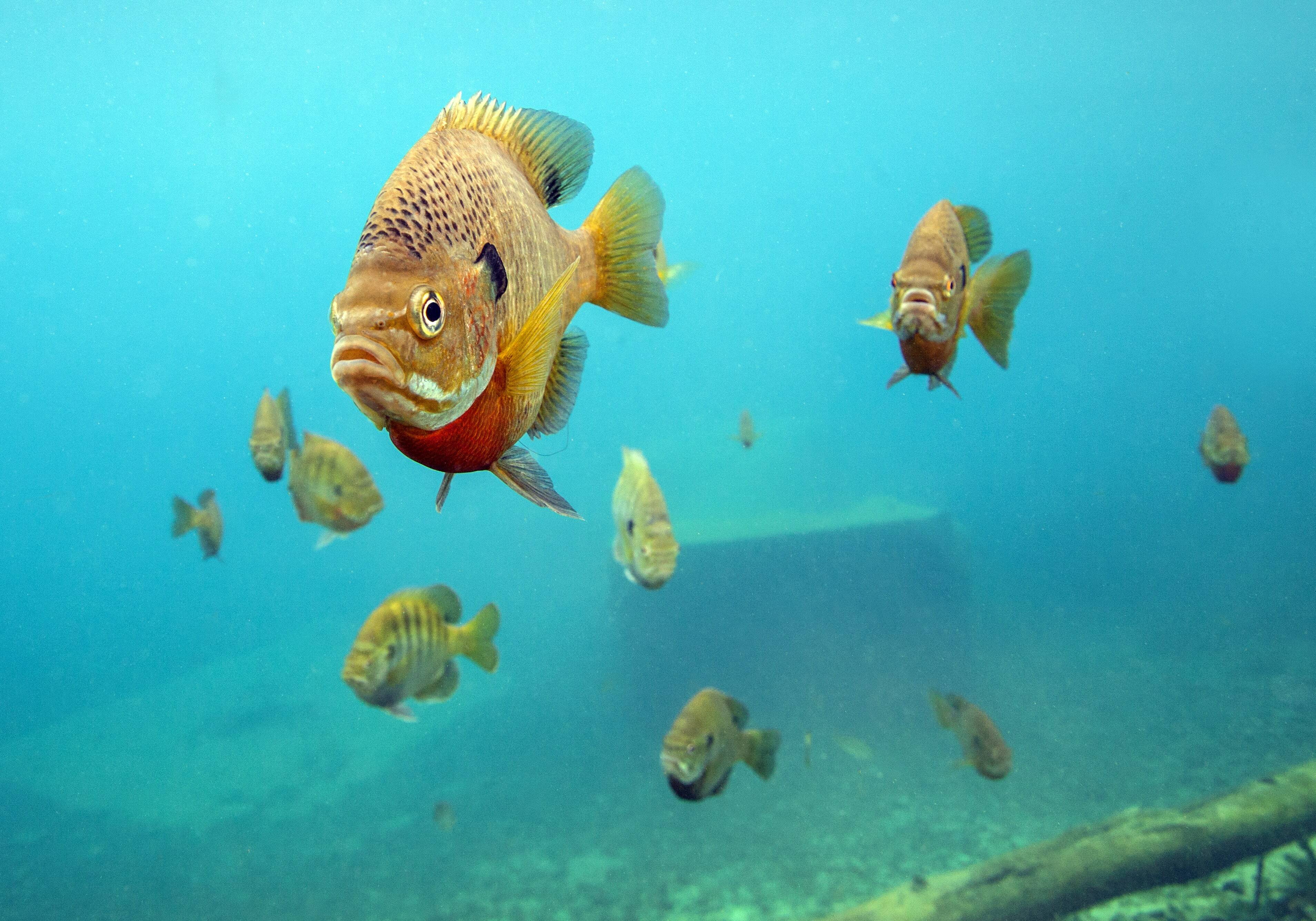
Wisconsin’s lakes and ponds are treasured resources for homeowners, municipalities, HOAs, and recreational anglers. From Lake Winnebago and the Chain O’ Lakes in northeast Wisconsin to small rural ponds in western Wisconsin and suburban waters around Madison and Milwaukee, maintaining healthy fish populations ensures recreational opportunities, ecological balance, and property value.
Whether your goal is trophy largemouth bass, balanced bluegill populations, or thriving walleye ponds, consistent, science-based lake and pond management is essential for long-term success in Wisconsin’s variable climate.
Understanding Fish Health in Wisconsin Lakes
Wisconsin’s seasonal weather poses unique challenges to fish health. Cold winters, ice cover, spring runoff, and warm summer temperatures all impact pond water quality.
Key risks for Wisconsin lakes include:
- Winterkill under ice cover in shallow ponds
- Low dissolved oxygen during hot summer months
- Algae blooms fueled by nutrient runoff
- Imbalanced or overcrowded fish populations
Popular Wisconsin pond and lake species include: largemouth bass, bluegill, redear sunfish, northern pike, walleye, crappie, and channel catfish. Coldwater species such as trout may thrive in spring-fed ponds or deeper northern lakes.
Maintaining water quality through routine testing, such as measuring dissolved oxygen, pH, and nutrients like nitrogen and phosphorus, is critical. Excess nutrients encourage algae growth, which can stress fish populations and reduce recreational value.
Fish Stocking Tips and Wisconsin DNR Guidelines
One of the most common questions Wisconsin pond owners ask is about fish stocking. Following Wisconsin Department of Natural Resources (DNR) guidelines is crucial to ensure fish health, prevent overpopulation, and protect native ecosystems.
Key DNR guidelines for stocking private ponds include:
- Stock only DNR-approved species for private ponds
- Obtain necessary permits when stocking fish in natural waterbodies
- Avoid introducing invasive or non-native species
- Use reputable suppliers, like Wisconsin Lake and Pond Resource, for healthy fish
- Largemouth bass – top predator, helps maintain a balanced forage
- Bluegill and redear sunfish – forage base for predators
- Northern pike – ideal for larger ponds seeking trophy fishing
- Walleye – popular for recreational fisheries in deeper or spring-fed ponds
- Channel catfish – a hardy species for sport and pond balance


%20(24).png?width=1200&length=1200&name=Untitled%20(1920%20x%201080%20px)%20(24).png)

Stocking tips for Wisconsin ponds:
- Stock in spring or fall when water temperatures are moderate.
- Assess pond size and depth to determine proper stocking rates.
- Balance predator and forage populations to prevent stunted growth.
- Acclimate fish properly to avoid stress and mortality.
Professional fish stocking delivery in Wisconsin ensures fish are handled safely, acclimated to pond conditions, and introduced at optimal times for survival.
Aeration: Protecting Fish Through Wisconsin’s Seasons
Aeration is critical for maintaining healthy ponds in Wisconsin, particularly for:
- Preventing summer fish kills due to oxygen depletion
- Reducing organic sediment buildup
- Minimizing winterkill in shallow ponds
Both surface aerators and bottom-diffused aeration systems improve dissolved oxygen levels, water circulation, and overall pond health. Consistent aeration also supports beneficial bacteria, which help break down organic matter and nutrients. WLPR now provides leasing options for stress-free maintenance, ensuring your aeration equipment operates efficiently year-round while reducing your time, effort, and upfront expenses.
Aquatic Weed and Algae Management
Balanced aquatic vegetation supports healthy fish populations, providing habitat and spawning areas. However, excessive growth can reduce oxygen at night and interfere with fishing, swimming, and boating.
Common problem species in Wisconsin ponds include:
- Eurasian watermilfoil
- Curly-leaf pondweed
- Filamentous algae
- Duckweed

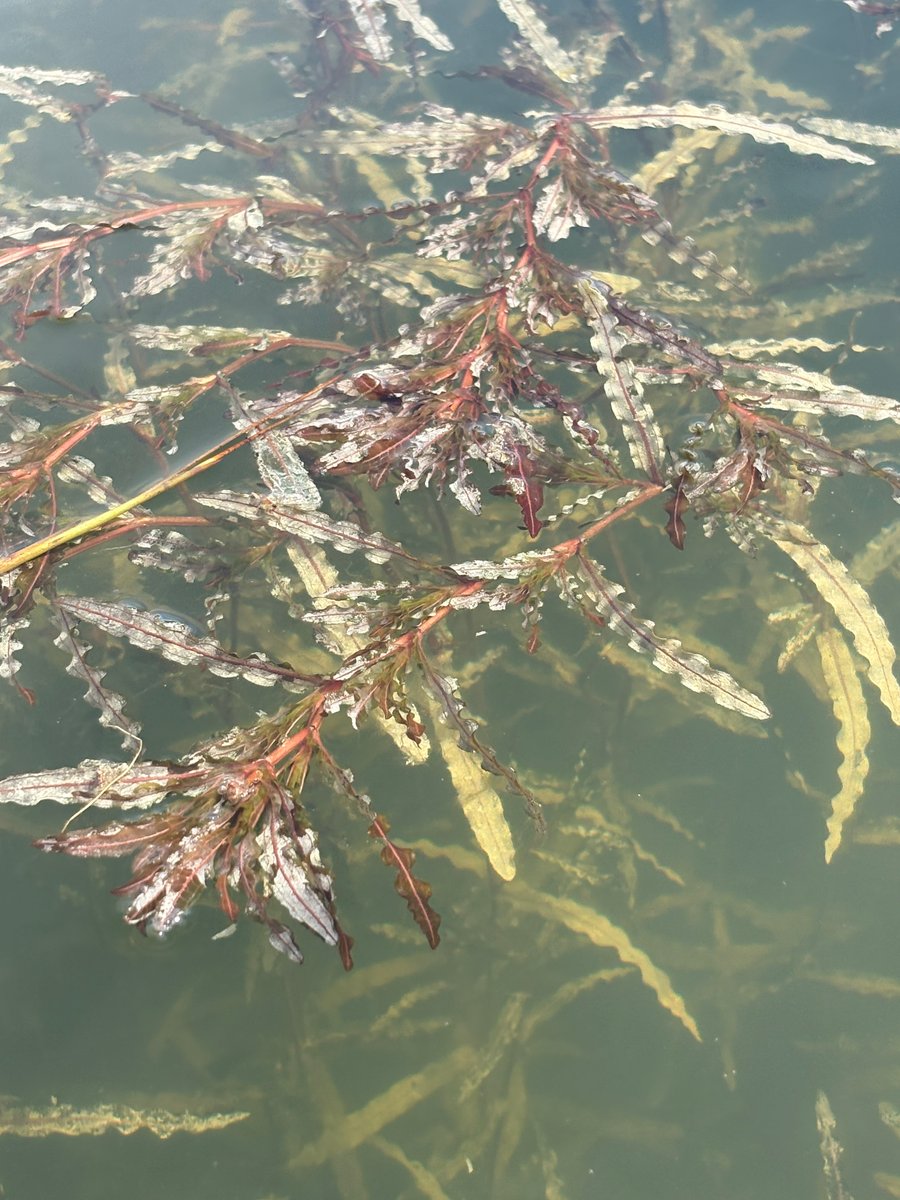


A proactive aquatic weed and algae control program combines selective herbicides, mechanical removal, biological controls like triploid grass carp, and nutrient management to maintain balance without harming fish populations.
Seasonal Pond Management in Wisconsin
Seasonal planning is key to maintaining fish health in Wisconsin ponds:
- Spring: Stocking, assessing fish populations, and preparing spawning habitat
- Summer: Aeration, oxygen management, and algae control
- Fall: Fisheries surveys, supplemental stocking, and preparing for winter
- Winter: Monitor ice coverage and consider aeration to prevent winterkill
Professional electrofishing surveys help pond managers evaluate predator-prey balance, fish size structure, and growth rates, guiding long-term management decisions.
Protecting Your Wisconsin Lake or Pond Investment
Whether you manage a small pond in Green Bay, a golf course lake near Madison, or a recreational lake in northern Wisconsin, proactive management protects both fish populations and property value.
A comprehensive program should include:
- DNR-compliant fish stocking
- Pond aeration systems
- Water quality testing
- Aquatic weed and algae control
- Fisheries surveys and population assessments
Healthy fish populations are the result of consistent, science-based, regionally informed management.
Partnering with Wisconsin Lake and Pond Resource ensures your lake or pond benefits from local expertise, DNR-compliant fish stocking programs, and proven lake management strategies designed specifically for Wisconsin’s climate and conditions.
About Wisconsin Lake & Pond Resource, A Jones Lake Management Partner
Wisconsin Lake & Pond Resource specializes in comprehensive lake and pond management solutions, including algae and aquatic weed control, aeration, hydraulic dredging, erosion control, and fisheries management. As a Jones Lake Management Partner, we serve a diverse range of clients, including HOAs, golf courses, municipalities, and private lake owners throughout the state of Wisconsin. With a commitment to science-driven strategies and environmental sustainability, Wisconsin Lake & Pond Resource helps maintain and restore aquatic ecosystems for long-term health and enjoyment. Visit us at www.wisconsinlpr.com