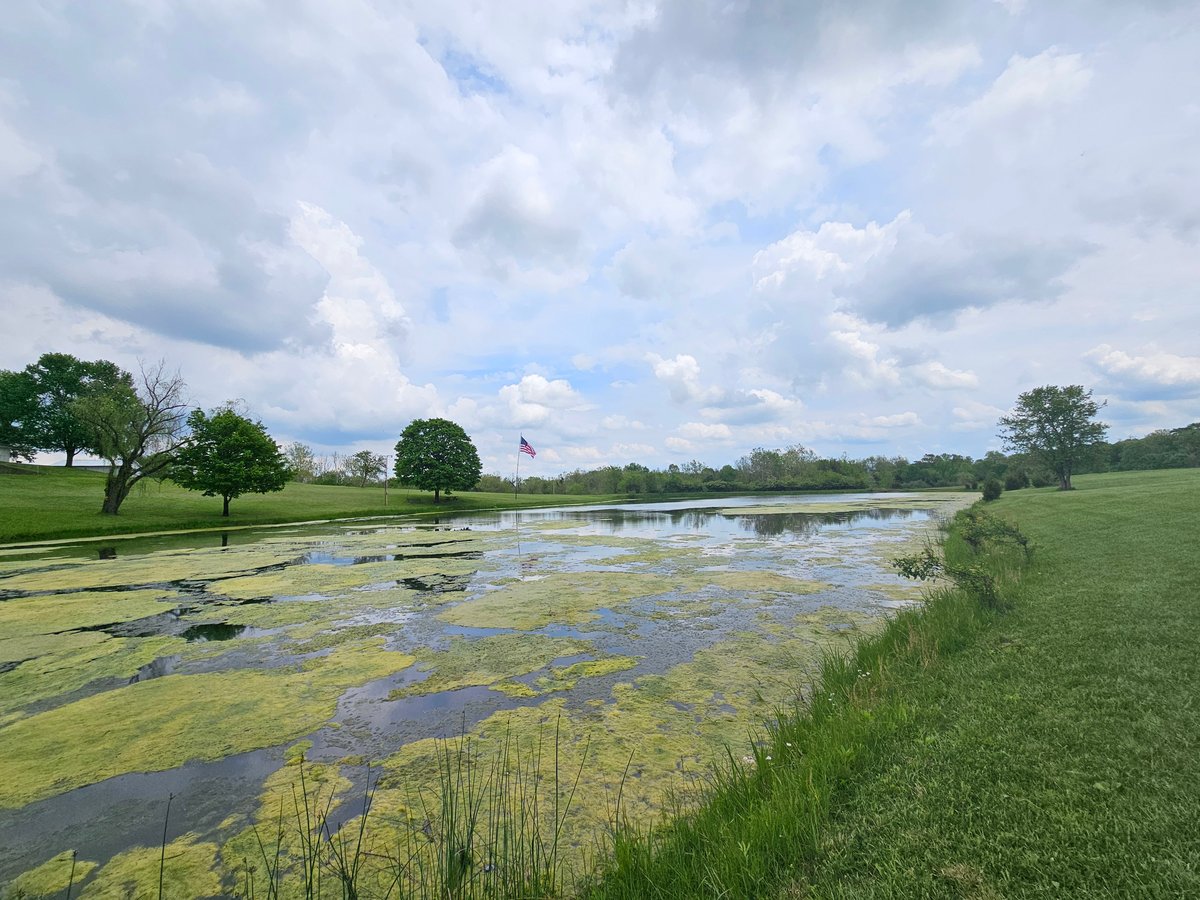
Spring is a critical season for lakes and ponds across Wisconsin, as rising temperatures and seasonal mixing, commonly called spring turnover, can dramatically affect water quality. Turnover occurs when the surface water warms and mixes with deeper layers, redistributing nutrients like phosphorus and nitrogen throughout the water column.
While nutrient cycling is a natural and necessary process for lake and pond ecosystems, excessive nutrients can fuel algae growth and reduce water clarity. Understanding spring turnover and implementing proactive nutrient management strategies can help maintain healthy waterbodies throughout the season.
What is Spring Turnover?
In Wisconsin lakes, cold winter water stratifies with warmer surface layers. As temperatures rise in early spring, the water column begins to mix, creating a more uniform temperature and oxygen distribution. This mixing event, known as spring turnover, brings nutrients that were trapped in sediments and deeper water up to the surface.
Spring turnover is natural and important for aquatic life, but it can also temporarily increase nutrient availability in the water column. Excess phosphorus and nitrogen introduced from runoff, organic matter, or surrounding land use can further contribute to algae growth during this period.
Managing Nutrients in Wisconsin Lakes
Proactive nutrient management is essential for controlling algae growth after spring turnover. Key strategies include:
1. Manage Fertilizer Use
Runoff from fertilizers can add phosphorus and nitrogen to lakes and ponds during spring rains. To reduce nutrient inputs:
- Avoid fertilizing near the shoreline or runoff pathways
- Apply fertilizers when rain is not expected
- Use slow-release formulas when possible
By controlling fertilizer use, property owners help prevent nutrient spikes during spring turnover.
2. Maintain Shoreline Buffer Zones
Shoreline buffers of native grasses, shrubs, and plants capture nutrients before they enter the waterbody. Buffers also reduce erosion, stabilize banks, and support wildlife habitats. A buffer of 10–25 feet is effective in Wisconsin lakes to limit nutrient inflow and improve overall water quality.
3. Seasonal Inspections and Water Quality Testing
Spring is an ideal time for lake inspections and water testing. Regular monitoring helps identify nutrient issues before algae becomes a problem. Professional testing may include:
- Measuring phosphorus and nitrogen levels
- Checking water clarity and oxygen levels
- Inspecting shoreline erosion and inflow areas
Early identification allows for targeted interventions and effective long-term lake and pond management.
Nutrient Management Treatments
In lakes and ponds with elevated nutrient levels, nutrient management treatments can help reduce the availability of phosphorus and nitrogen in the water column. These treatments help slow the nutrient cycle that fuels recurring algae growth.
In older or sediment-rich lakes, dredging may be considered as a long-term solution to remove nutrient-laden sediments and restore lake depth. While dredging requires planning and permits, it can significantly improve lake health when combined with ongoing nutrient management strategies.
Supporting Lake Health with Aeration
Proper lake aeration is another tool to support overall water quality and biological balance. Aeration circulates water, increases dissolved oxygen, and promotes beneficial biological processes that help recycle nutrients. These processes help prevent excess phosphorus and nitrogen from remaining concentrated in the water column, which can reduce algae proliferation.
Wisconsin Lake and Pond Resource offers leasing options for aeration systems, providing property owners with professional maintenance, reliable operation, and ongoing support. Leasing makes it easier to maintain optimal lake conditions without the upfront costs of equipment ownership.
Proactive Spring Management for Wisconsin Lakes
Spring turnover can temporarily increase nutrient availability in lakes and ponds, creating conditions for algae growth if not properly managed. By combining fertilizer management, shoreline buffers, seasonal inspections, water quality monitoring, nutrient treatments, and aeration, lake managers and property owners can proactively maintain healthy, balanced lakes and ponds throughout Wisconsin.
The team at Wisconsin Lake and Pond Resource works with lake communities to develop custom nutrient management plans designed for local conditions. Taking action in early spring helps protect water clarity, aquatic life, and recreational value throughout the season.
About Wisconsin Lake & Pond Resource, A Jones Lake Management Partner