Clear water, thriving fish, and balanced aquatic ecosystems are the result of intentional management, not luck. One of the most effective tools in maintaining healthy ponds and lakes is aeration. By improving oxygen levels and water movement, aeration systems create the conditions necessary for strong biological function and long-term stability.
For property owners in Wisconsin, understanding how aeration works can make the difference between recurring water issues and a resilient, well-balanced pond.
The Foundation of Pond Health: Dissolved Oxygen
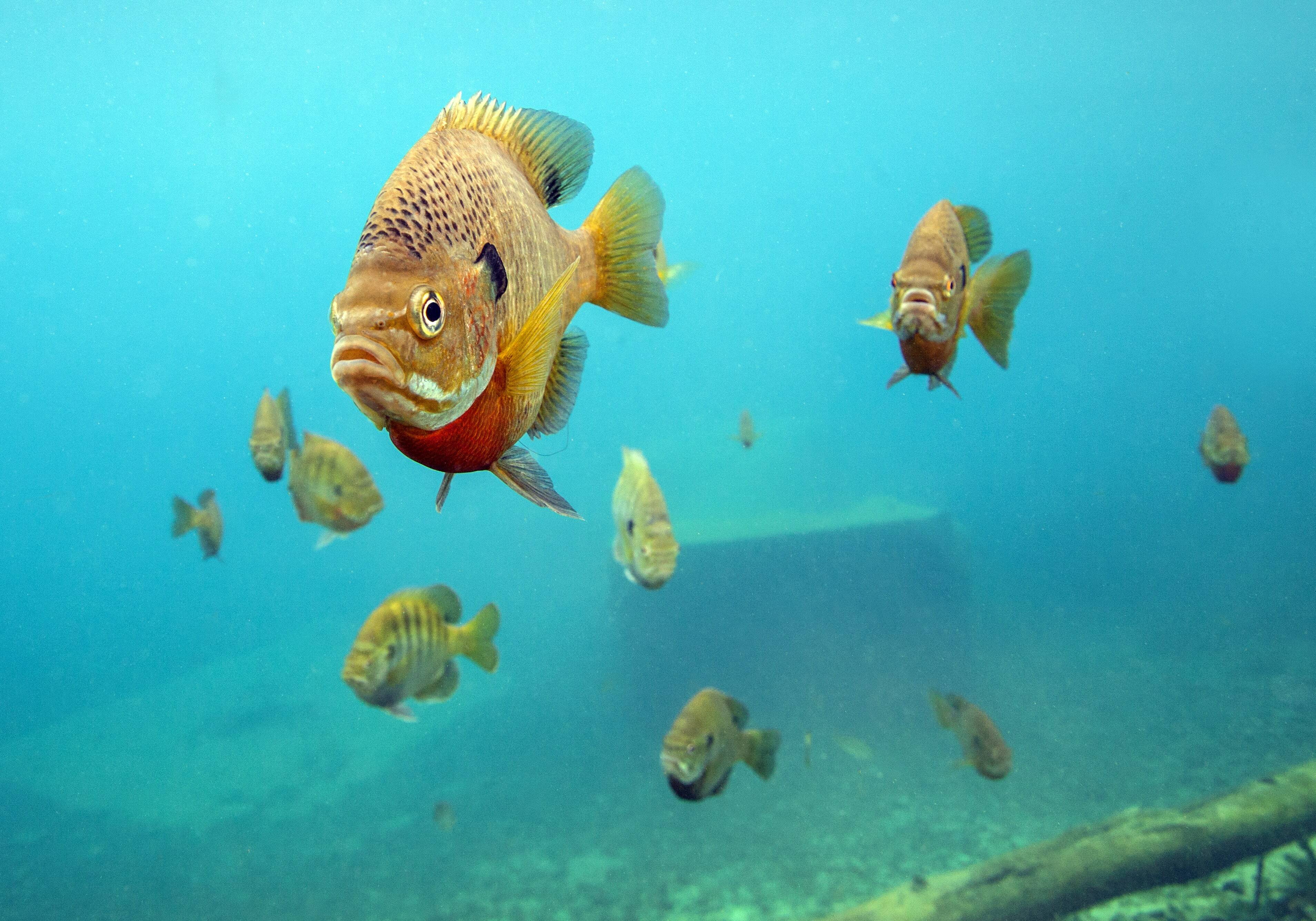
Oxygen dissolved in water is essential for nearly every living organism in a pond. Fish depend on it for survival, and beneficial bacteria require it to break down organic material. When oxygen levels decline, ponds can quickly experience problems such as fish stress, foul odors, nutrient accumulation, and excessive algae growth.
Oxygen depletion often occurs in ponds that lack circulation. During warm months, surface water holds oxygen while deeper water layers become stagnant and depleted. This separation, known as stratification, creates an unhealthy imbalance throughout the water column.
How Aeration Restores Balance
Aeration systems introduce air into the water and promote consistent circulation from top to bottom. This steady movement helps eliminate stratification and distributes oxygen more evenly.
With improved circulation, ponds benefit in several important ways:
- Increased dissolved oxygen throughout the entire water column
- Enhanced breakdown of organic matter
- Reduced accumulation of bottom muck
- Lower risk of internal nutrient release
- Improved water clarity and overall stability
By maintaining consistent oxygen levels, aeration helps prevent the chain reaction that often leads to algae blooms and declining fish health.
Supporting Natural Biological Processes
Aeration strengthens one of the pond’s most important natural defenses: aerobic bacteria. These oxygen-dependent microbes consume decaying plant material, leaves, and organic debris before it can build up excessively.
In low-oxygen environments, anaerobic bacteria dominate. These organisms break down material more slowly and can produce undesirable byproducts, including odors and nutrient releases that fuel algae growth. By maintaining oxygen-rich conditions, aeration encourages efficient decomposition and supports a healthier ecological balance.
Choosing the Right Aeration Approach
Aeration systems are not one-size-fits-all. Different pond characteristics call for different solutions.
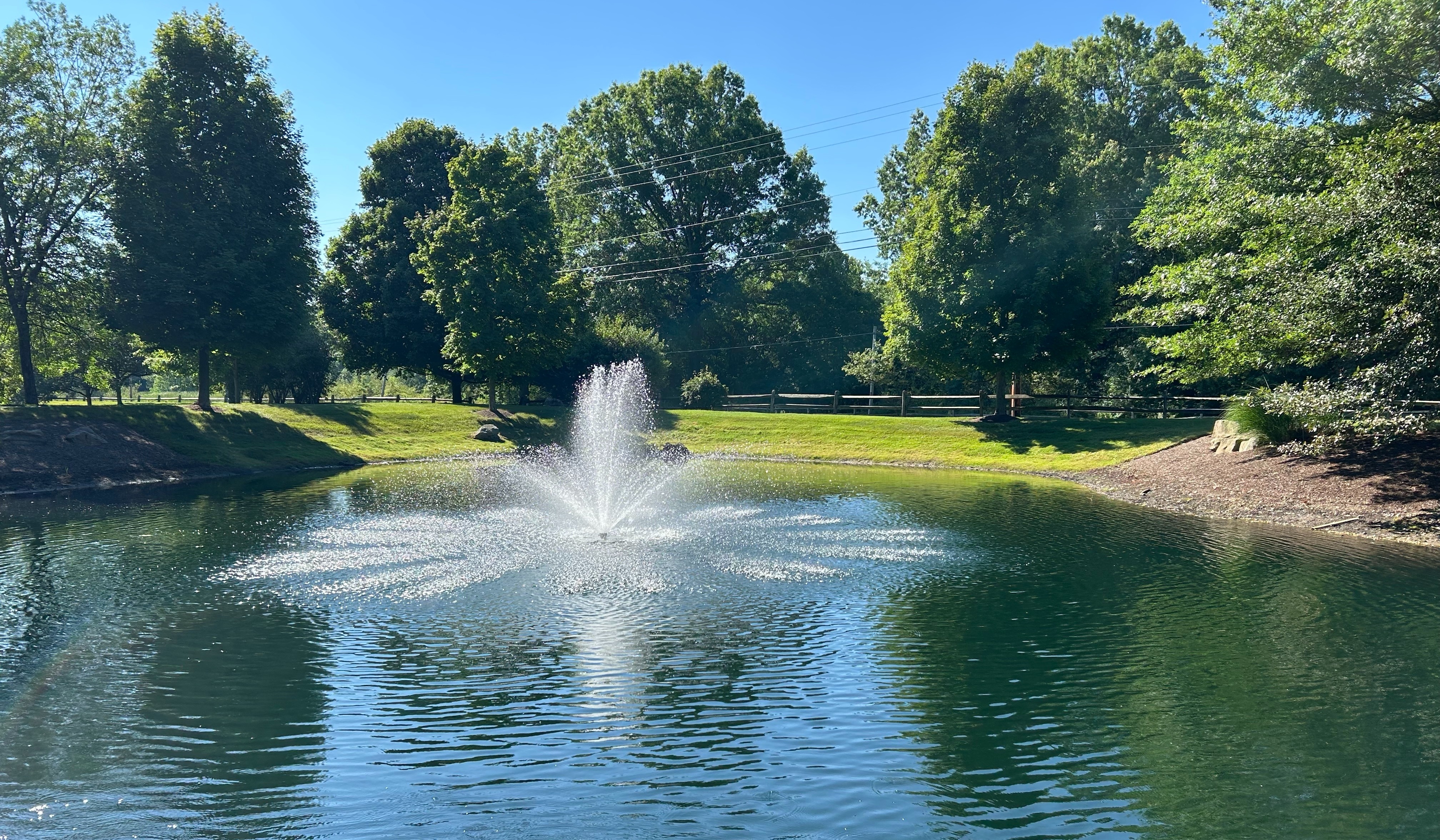
Surface aerators and fountains improve oxygen levels near the surface while enhancing visual appeal. These systems are often well-suited for smaller or shallower ponds and provide decorative value in addition to functional benefits.
Subsurface aeration systems operate from the pond bottom, releasing air through diffusers that create vertical circulation. This method is especially effective in deeper ponds where stratification is more pronounced and full water-column mixing is necessary.
A professional evaluation ensures the selected system matches the pond’s depth, size, nutrient load, and management objectives.


Flexible Options for Pond Owners
Wisconsin Lake & Pond Resource offers both purchase and leasing options for aeration systems. Leasing can provide seasonal flexibility or a lower upfront investment, while purchasing delivers a long-term solution for ongoing pond management.
Each system recommendation is based on site-specific conditions to maximize efficiency and measurable results.
A Smart, Long-Term Management Strategy
Aeration is more than a surface-level fix. It is a scientifically supported method for improving oxygen distribution, strengthening biological processes, managing nutrient levels, and protecting aquatic life.
When properly designed and installed, aeration systems serve as a cornerstone of sustainable pond management, helping waterbodies remain clear, balanced, and resilient year-round.
Wisconsin Lake & Pond Resource combines practical experience with science-based solutions to help property owners protect and enhance their lakes and ponds for the long term.
Contact Wisconsin Lake & Pond Resource to learn how aeration can improve your pond’s health.
About Wisconsin Lake & Pond Resource, A Jones Lake Management Partner
Wisconsin Lake & Pond Resource specializes in comprehensive lake and pond management solutions, including algae and aquatic weed control, aeration, hydraulic dredging, erosion control, and fisheries management. As a Jones Lake Management Partner, we serve a diverse range of clients, including HOAs, golf courses, municipalities, and private lake owners. With a commitment to science-driven strategies and environmental sustainability, Wisconsin Lake & Pond Resource helps maintain and restore aquatic ecosystems for long-term health and enjoyment. Visit us at www.wisconsinlpr.com