When colder weather settles in across Wisconsin, your pond or lake begins to experience seasonal changes that can affect water quality and overall ecosystem balance. Proper winter management helps protect your waterbody, prevent avoidable issues, and ensure a healthy start in the spring. From invasive species removal to aeration adjustments, following a winter checklist keeps your pond on track year after year.
Here is a guide to the most important winter pond maintenance tasks to complete this season.
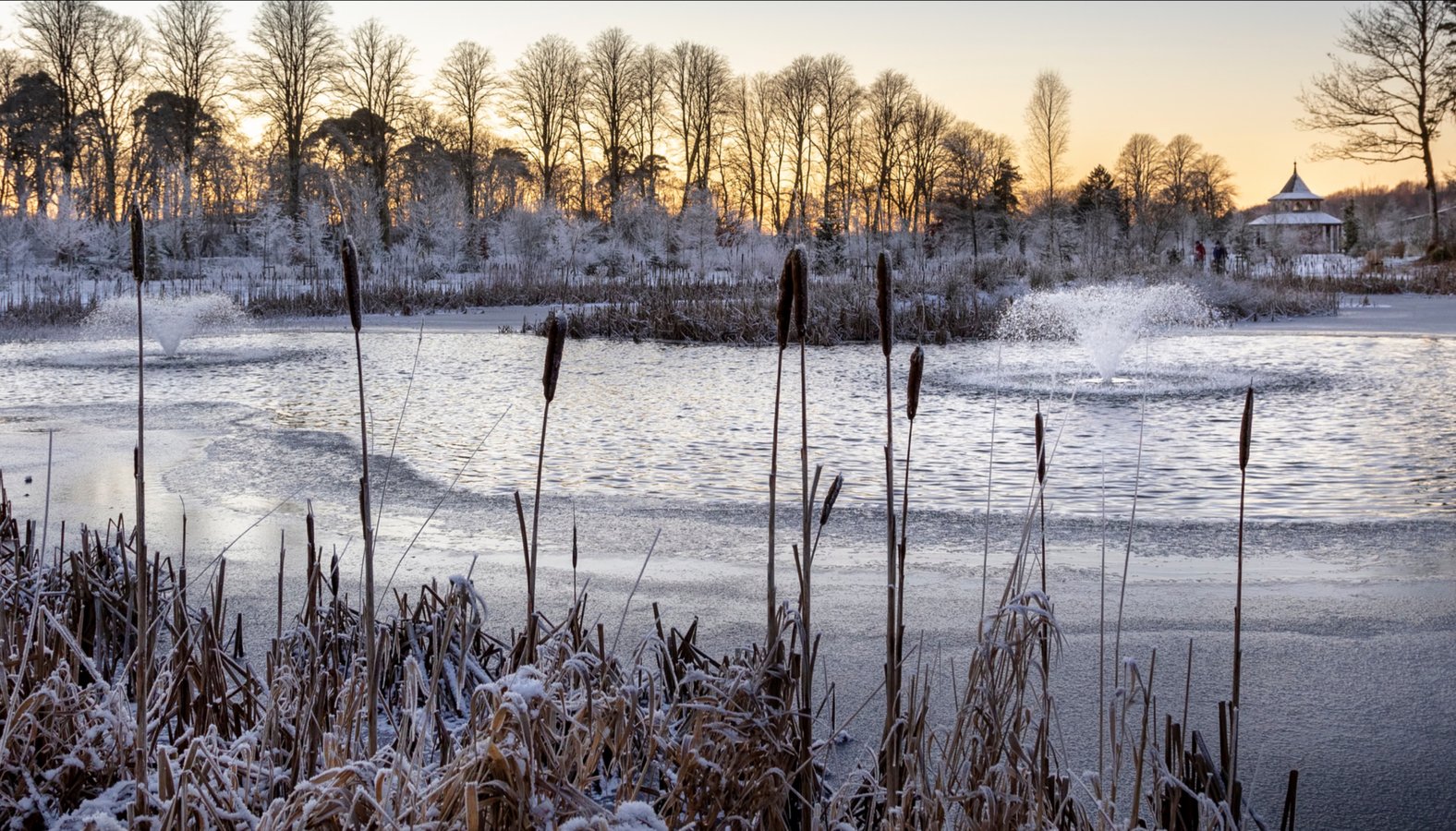
Many lakes and ponds in Wisconsin deal with invasive emergent plants such as hybrid cattails and phragmites. As these plants die back in late fall, they leave behind heavy layers of decaying vegetation. Cutting and removing invasive biomass before winter helps reduce nutrient buildup, limits shoreline crowding, and lowers the risk of spring algae growth. Routine removal is an important part of aquatic weed control and helps support a healthier, more balanced pond ecosystem.
- Invasive Species Cutting and Removal
Many lakes and ponds in Wisconsin deal with invasive emergent plants such as hybrid cattails and phragmites. As these plants die back in late fall, they leave behind heavy layers of decaying vegetation. Cutting and removing invasive biomass before winter helps reduce nutrient buildup, limits shoreline crowding, and lowers the risk of spring algae growth. Routine removal is an important part of aquatic weed control and helps support a healthier, more balanced pond ecosystem. - Diffuser Placement for Winter Aeration
If your pond uses a diffused aeration system, adjusting diffuser placement before ice formation is essential. During summer, diffusers are positioned in deeper water for optimal circulation. In winter, however, they should be moved to shallower areas to prevent the entire water column from supercooling, which can stress or harm fish. Shallow winter placement also maintains small open water zones for gas exchange, helping prevent winter fish kills. Proper aeration supports a stable ecosystem throughout the coldest months. - Fall Fish Stocking
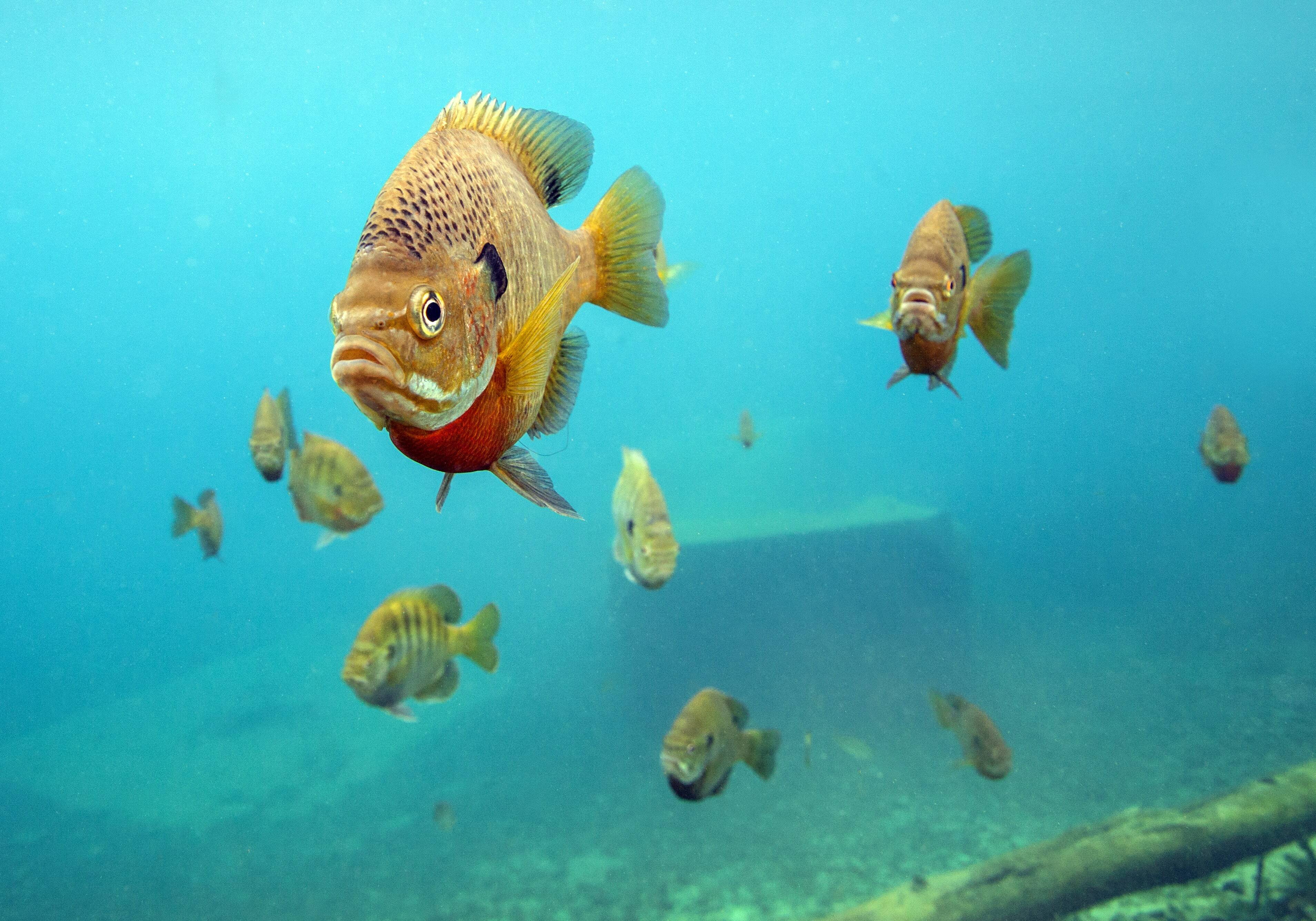
Wisconsin ponds benefit greatly from fall fish stocking. Adding forage species such as minnows strengthens the food chain and ensures predator fish have adequate nutrition throughout winter. Many pond owners also choose to stock cool water species like trout, which thrive in colder conditions and help support a balanced fishery. Fall stocking prepares your pond for stronger fish growth and overall performance in the coming year. - Targeted Hydraulic Dredging
Winter is one of the best times to schedule targeted hydraulic dredging. With vegetation growth at a minimum, access often improves, and equipment can operate more efficiently. Removing accumulated sediment restores depth, reduces nutrient load, and helps prevent algae and weed issues that commonly appear in spring. Strategic dredging also improves shoreline access and supports the long-term health of your pond or lake. - Fountain Winterization or Diffuser Support
Floating fountains should be removed in most regions of New England to prevent freeze damage. Winterization is the ideal time to clean debris, inspect electrical components, and complete pump oil and seal servicing every three years.
Some property owners may choose to protect a fountain by placing a diffuser beneath it to maintain an open water area. Always check manufacturer guidance before leaving any equipment in place during freezing conditions. - Nutrient Management with Bacteria and Phosphorus Binding
Winter is an ideal time to reduce nutrients that contribute to algae growth. Applying beneficial bacteria helps break down organic matter that would otherwise accumulate under the ice. In ponds with elevated phosphorus levels, binding products can be added to limit algae's primary food source. Nutrient management during the off-season supports clearer, healthier water once temperatures rise.
Final Thoughts
A thoughtful winter maintenance plan protects your pond through the cold season and helps prevent costly problems in the spring. Invasive removal, aeration adjustments, dredging, fountain care, fish stocking, and nutrient management all play a vital role in maintaining a healthy waterbody. With the right steps now, your pond will enter spring cleaner, clearer, and ready for the year ahead.
About Wisconsin Lake & Pond Resource, A Jones Lake Management Partner
Wisconsin Lake & Pond Resource specializes in comprehensive lake and pond management solutions, including algae and aquatic weed control, aeration, hydraulic dredging, erosion control, and fisheries management. As a Jones Lake Management Partner, we serve a diverse range of clients, including HOAs, golf courses, municipalities, and private lake owners. With a commitment to science-driven strategies and environmental sustainability, Wisconsin Lake & Pond Resource helps maintain and restore aquatic ecosystems for long-term health and enjoyment.