A healthy Wisconsin pond starts with a balanced food web. From microscopic organisms to trophy largemouth bass, every part of the ecosystem plays a role in supporting healthy fish populations. For pond owners looking to improve fishing, increase bass growth and maintain a balanced fishery, a strong forage base is essential.
Understanding Your Pond’s Food Web
The pond food chain begins with phytoplankton, microscopic algae that serve as an important food source for zooplankton. Small fish and juvenile gamefish feed on zooplankton, while larger predator fish consume minnows, bluegill and other forage species.
Maintaining this predator-prey balance is an important part of Wisconsin pond management. When forage fish populations decline, largemouth bass and other predators have fewer feeding opportunities, which can affect growth and overall fish condition.
Why Forage Fish Matter for Largemouth Bass
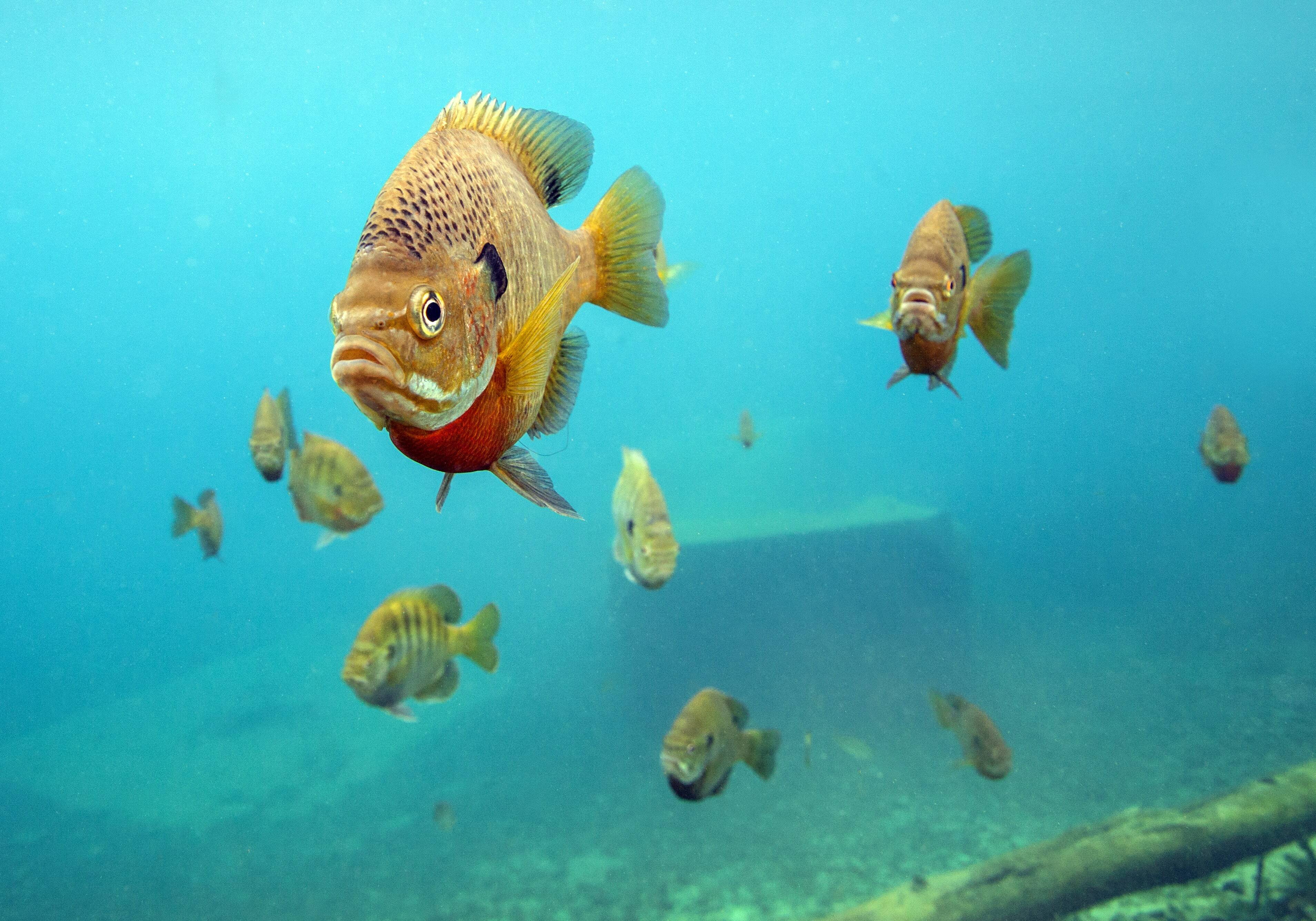
Largemouth bass thrive when they have access to abundant prey of appropriate sizes. In Wisconsin ponds, fathead minnows and young bluegill can provide important forage for bass. Wisconsin Lake & Pond Resource also offers golden shiners as a forage option depending on the pond's existing fish population and management goals.
Without adequate forage, predator fish may compete for limited food. Supplemental fish stocking in Wisconsin can help strengthen the forage base and support healthier fish growth.
Best Forage Fish for Wisconsin Ponds
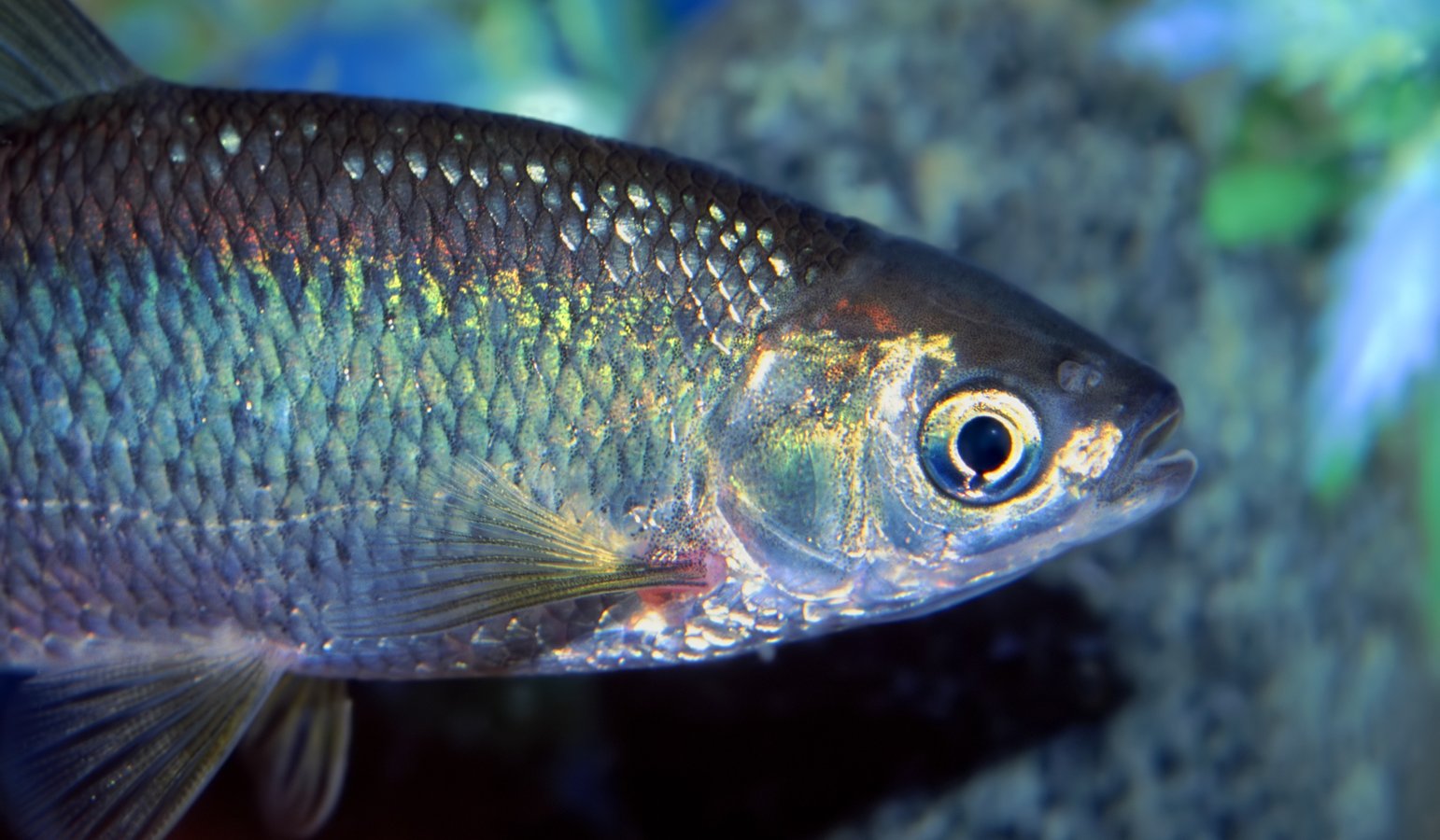
Fathead Minnows: Fathead minnows are a popular supplemental forage fish for Wisconsin ponds. They reproduce readily when adequate habitat is available and provide an accessible food source for predator fish. Depending on predator numbers and available cover, supplemental stocking may be needed.
Golden Shiners: Golden shiners provide another forage option and can offer larger prey for growing gamefish. Whether they are appropriate depends on your pond's existing fish community and fisheries goals.
Bluegill: Bluegill can serve as both a popular sportfish and an important component of the food chain. However, Wisconsin pond owners should carefully manage bluegill and bass populations because bluegill can become overcrowded and stunted under some conditions.
When Should You Stock Fish in Wisconsin?
Spring and fall are common pond fish stocking seasons in Wisconsin. Wisconsin Lake & Pond Resource provides fish stocking during both seasons, allowing pond owners to supplement forage populations and work toward a healthier, more productive fishery.
Spring stocking can establish additional forage as fish become more active, while fall stocking can strengthen forage availability heading into Wisconsin's colder months.
The right stocking schedule depends on pond size, depth, water quality, habitat, existing fish populations and your fishing goals. There is no single stocking plan that works for every Wisconsin pond.
Build a Better Wisconsin Fishery
Successful Wisconsin fish stocking involves more than simply adding fish. Evaluating predator-prey balance, habitat, water quality and existing fish populations can help determine which species and stocking rates are appropriate.
Wisconsin Lake & Pond Resource can help develop a customized pond stocking plan based on your waterbody and management goals. Whether you want healthier largemouth bass, improved recreational fishing or a more balanced pond ecosystem, maintaining the right forage base is an important part of long-term fisheries management.
Wisconsin pond owners should also make sure they meet applicable fish stocking requirements. The Wisconsin DNR requires qualifying private ponds to follow the appropriate stocking permit process.
Ready to improve your pond's fish population? Contact Wisconsin Lake & Pond Resource for fish stocking recommendations and a customized plan for your Wisconsin lake or pond.
About Wisconsin Lake & Pond Resource, A Jones Lake Management Partner
Wisconsin Lake & Pond Resource specializes in comprehensive lake and pond management solutions, including algae and aquatic weed control, aeration, hydraulic dredging, erosion control, and fisheries management. As a Jones Lake Management Partner, we serve a diverse range of clients, including HOAs, golf courses, municipalities, and private lake owners throughout the state of Wisconsin. With a commitment to science-driven strategies and environmental sustainability, Wisconsin Lake & Pond Resource helps maintain and restore aquatic ecosystems for long-term health and enjoyment. Visit us at www.wisconsinlpr.com