As spring arrives in Wisconsin, lake and pond owners have a key opportunity to manage aquatic invasive species (AIS) before peak summer growing season sets in. Invasive plants, shoreline vegetation, and aquatic animals can spread rapidly, disrupt ecosystems, and create costly maintenance challenges. Identifying and addressing them now sets the foundation for a healthier, more balanced lake or pond in 2026.
Invasive Aquatic Plants
Invasive aquatic plants such as Eurasian watermilfoil, curly-leaf pondweed, and starry stonewort are among Wisconsin’s most significant threats to lake health. These plants form thick mats that crowd out native vegetation, restrict recreation, and degrade fish habitat. During the fall, many invasive plants store energy in roots or rhizomes, allowing them to overwinter and return stronger in the spring, making early management essential.
Other common invaders in Wisconsin include hydrilla (detected and monitored in nearby Midwest regions), Brazilian elodea, and European frogbit, a species of emerging concern currently found in limited areas of Wisconsin. These species can block sunlight, limit oxygen exchange, and cause rapid declines in native aquatic diversity.

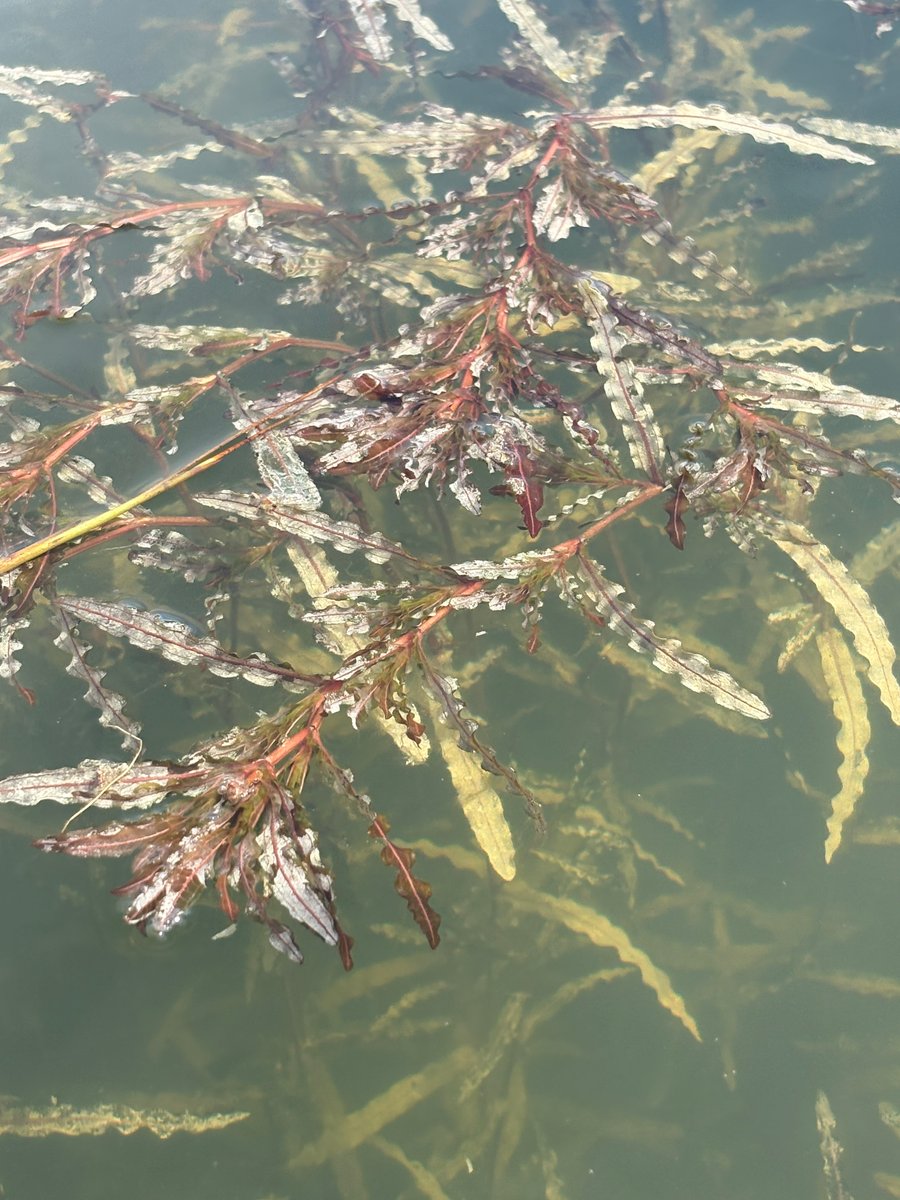


Monitoring invasive plants throughout the year is essential. Look for:
- Dense mats of submerged or floating vegetation
- Rapid or unusual plant growth
- Reduced water clarity or sunlight penetration
- Clusters of small shells on submerged surfaces
- Unusual loss of aquatic vegetation
- Changes in water clarity or sediment disturbance
Targeted early-season herbicide treatments, mechanical harvesting, or approved biological controls can help reduce overgrowth complications and limit summer return.
Invasive Shoreline and Wetland Plants
Along Wisconsin shorelines and wetlands, invasive species like phragmites (common reed) and purple loosestrife spread aggressively, displacing native vegetation and altering natural water flow. Reed canary grass and hybrid cattails are also common shoreline invaders, capable of overtaking native plant communities and reducing wildlife habitat.


While late summer and fall are typically the most effective times to remove dead established stands of phragmites, cattails, and other emergents, spring is an important window for early management. As these plants begin to regrow, targeted treatment can help suppress aggressive growth, limit their spread, and reduce the risk of shoreline takeover later in the summer. Early-season action also helps prepare dense stands for more effective removal later in the year.
Invasive Aquatic Animals
Invasive aquatic animals also pose major threats to Wisconsin’s waterbodies. Zebra mussels and quagga mussels are well-established invaders that attach to hard surfaces such as docks, rocks, and intake pipes, where they outcompete native mussels and cause damage to infrastructure. Other invasive species of concern include spiny water fleas, which disrupt food webs by consuming native zooplankton, and rusty crayfish, which destroy aquatic vegetation and displace native crayfish populations.




Regular spring monitoring helps detect early signs of these species. Look for:
Prompt action through mechanical removal, containment, or approved treatments helps reduce the risk of overwintering and costly interventions in future seasons.
Planning Ahead for 2026 Maintenance
A proactive management plan is the best defense against invasive species. At Wisconsin Lake & Pond Resource, we recommend reviewing this year’s conditions, mapping infested areas, and scheduling early spring or late summer treatments for next season. Spring is also an excellent time to plan nutrient management programs, aeration improvements, and shoreline restoration projects that support long-term lake health.
Managing invasive plants, shoreline vegetation, and aquatic animals in the spring is not just about control; it is about preparation. Taking action now helps protect water quality, reduce future maintenance costs, and promote a more resilient ecosystem.
By acting early this spring, you can set the stage for a cleaner, healthier, and more vibrant lake or pond this year.
Contact Wisconsin Lake and Pond Resource today to schedule an inspection or request a spring maintenance estimate.
About Wisconsin Lake & Pond Resource, A Jones LakeManagement Partner
Wisconsin Lake & Pond Resource specializes incomprehensive lake and pond management solutions, including algae and aquaticweed control, aeration, hydraulic dredging, erosion control, and fisheriesmanagement. As a Jones LakeManagement Partner, we serve a diverse range of clients, including HOAs, golf courses, municipalities, and private lake owners. With a commitment toscience-driven strategies and environmental sustainability, Wisconsin Lake& Pond Resource helps maintain and restore aquatic ecosystems for long-termhealth and enjoyment. Visit us at www.wisconsinlpr.com
Resources: Michigan Invasive Species, Wisconsin Wetlands Association, USDA National Invasive Species Information Center, and Jones Lake Management Aquatic Weed ID Guide